Seasoned Immigration Advocate: Manage Your Pathway to U.S. Residency With Confidence
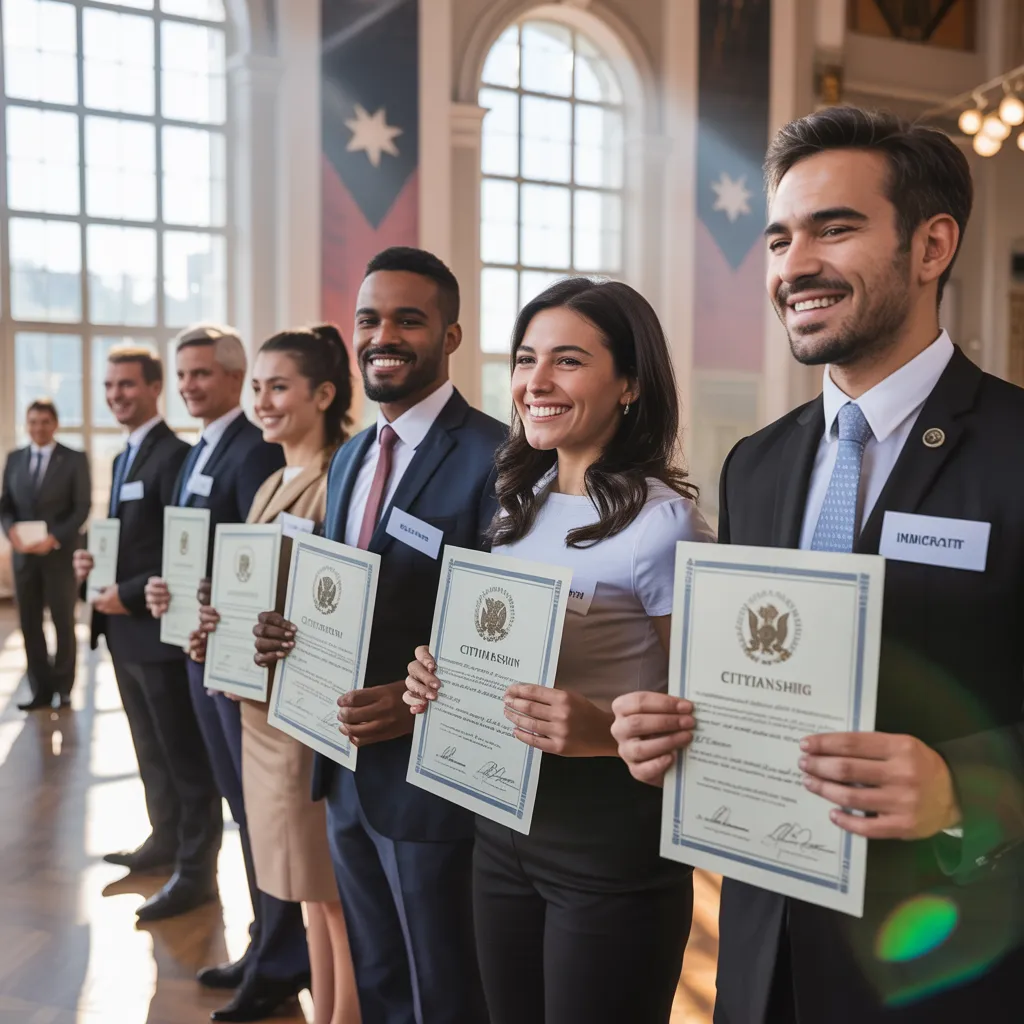
Progressing through the U.S. immigration process can be daunting. A qualified immigration lawyer takes on essential responsibilities in facilitating this journey. They scrutinize individual cases and modify strategies to meet unique needs. From preparing essential documents to acting on behalf of clients in hearings, their expertise is priceless. Understanding the details of immigration law can alter outcomes. Yet, many still confront challenges in picking the right representation. What key factors should one weigh in this decision?
Learning About the Part of an Immigration Legal Representative
An immigration attorney serves a critical function in traversing the intricate terrain of immigration law. They offer precious counsel to individuals working through the intricate processes involved in obtaining visas, permanent residency, or citizenship. By comprehending both federal and state regulations, these attorneys assist clients in preventing common pitfalls and ensure compliance with immigration laws.
Immigration counselors examine individual cases, adjusting approaches to fulfill particular requirements. They prepare and file necessary documentation, advocate for clients in proceedings, and work with immigration authorities on their behalf. This representation is critical, especially in situations concerning deportation or lawful challenges.
In addition, immigration counselors stay cognizant of modifications in legislation and policy, which can profoundly impact their clients' petitions. Their expertise not only eases the immigration journey but also builds confidence in clients, allowing them to prioritize their new chapters in a foreign country.
Typical Relocation Channels: Work Authorizations, Kinship Sponsorship, and Permanent Cards
In the area of relocation, numerous pathways exist for people seeking to establish their futures in a different country. Work visas provide job prospects, while familial support programs enable reconnection with family members. Furthermore, the route to obtaining a copyright provides a more lasting solution for those in-depth article seeking to establish themselves long-term.
Employment copyright Kinds
Understanding the multiple types of work visas is vital for people pursuing employment opportunities in a different nation. In the United States, several categories are present, each developed for specific purposes and qualifications. The H-1B copyright, for instance, allows employers to provisionally employ foreign workers in specialty occupations. On the other hand, the L-1 copyright facilitates intra-company transfers for employees of multinational companies. The O-1 copyright serves to individuals with extraordinary ability in their fields, while the TN copyright is specifically for Canadian and Mexican citizens under the USMCA. Furthermore, the E-2 copyright provides opportunities for investors and their employees. Each copyright type has different requirements and application processes, making it necessary for prospective applicants to understand their options thoroughly.
Family Patronage Choices
relatives such as spouses, children, and parents—who receive preference—gain advantage from a simplified application system. In addition, family individuals of U.S. citizens can typically bypass waiting periods, though other family members may experience extended timelines because of annual copyright caps. Understanding the specific eligibility requirements and needed documentation for each category is essential for successful applications. Legal counsel can aid navigate
Journey Toward copyright
Identifying the pathway to copyright involves various copyright alternatives, such as employment visas and family-based petitions. Employment-based copyright generally necessitate an job offer from a U.S. employer and may require labor certification to prove no qualified U.S. workers are obtainable. Alternatively, family-based immigration permits U.S. nationals and lawful permanent residents to apply for their family members, with priority given to immediate family members. Additionally, specific humanitarian programs, such as asylum or refugee designation, offer avenues for securing a copyright. Every option has particular qualification requirements and procedural steps, requiring careful consideration and frequently professional counsel. Comprehending the various pathways enables people to traverse the complexities of American immigration regulations effectively.
What to Anticipate Along Your Immigration Journey
Navigating the immigration process can often be a complex and challenging undertaking. Individuals should expect multiple stages, each requiring thorough preparation and meticulous focus. Initially, applicants will collect required documents, such as identification, financial records, and proof of employment or relationships.
After applications have been lodged, applicants could endure a stretch of time, during which their cases are dealt with by immigration authorities. This duration can vary in duration based on the nature of copyright or residency status applied for.
Interviews are another crucial component, where applicants must present their cases in person. During this stage, questions concerning their background, intentions, and eligibility are common.
Throughout the process, applicants should stay updated about any changes or inquiries from immigration authorities. Patience and diligence are essential, as the process can involve unexpected challenges. Understanding these elements can assist people navigate their journey with greater confidence and clarity.
Top Benefits Work With an Immigration Attorney for Your Case
Dealing with the challenges of immigration can be intimidating, making the support of an immigration lawyer a valuable asset. First and foremost, immigration lawyers demonstrate in-depth expertise of the detailed laws and regulations governing U.S. immigration. This expertise allows them to navigate potential problems that applicants might fail to notice.
In addition, an immigration lawyer can extend individualized legal direction configured to individual circumstances, verifying that clients make informed decisions throughout the undertaking. They can also contribute to the preparation of essential documents, restricting the potential of errors that could lead to lags or rejections.
Furthermore, lawyers can effectively represent clients during interviews and hearings, advocating for their rights and interests. Their experience in dealing with government agencies can facilitate better dialogue and help accelerate cases. Ultimately, retaining an immigration lawyer can improve the likelihood of a successful outcome, offering reassurance during a challenging journey.
Discovering the Best copyright Attorney Matched to You
Picking the appropriate immigration lawyer is essential for navigating intricate legal processes. It is important to consider the attorney's background and qualifications, as well as their expertise in immigration law. These factors can greatly influence the result of one's case and ensure effective advocacy.
Credentials and Experience
Selecting an immigration lawyer demands thorough evaluation of their background and experience. Potential clients need to find lawyers holding a Juris Doctor (JD) degree from an accredited law school and authorized to practice in their state. Membership in professional organizations, such as the American Immigration Lawyers Association (AILA), can also indicate a commitment to staying updated with immigration law. Expertise in managing cases similar to one’s own is important and entails familiarity with certain copyright types and processes. Moreover, favorable client reviews and a proven history of successful results can further confirm a lawyer's expertise. Ultimately, deep research into a lawyer’s background supports informed decisions within the complex immigration arena.
Dedicated Specialization in Immigration Law
Finding the right immigration lawyer often relies on their expertise in immigration law. Immigration law is complicated and constantly changing, requiring attorneys to stay current on regulations and policies. A lawyer focused in immigration can provide customized advice and strategies geared toward individual needs, whether it involves family-based visas, employment sponsorship, or asylum applications. This knowledge guarantees the lawyer is well-versed in nuances that could greatly affect a case's outcome. Additionally, specialized lawyers often have solid relationships with immigration officials, enhancing communication and efficiency. Clients should seek attorneys with a demonstrated history in their specific area of need, ensuring they receive knowledgeable guidance and effective representation throughout the immigration process. This targeted method is essential for maneuvering the often complex U.S. immigration landscape.
Empowering Yourself: Questions to Pose to Your Immigration Lawyer?
How can individuals guarantee they are properly equipped for consultations with their immigration lawyer? One effective strategy is to draw up a list of pertinent questions that focus on their unique circumstances. Key inquiries might include: "What are my routes for obtaining residency?" and "What potential challenges should I prepare for in my case?" Clients should also ask about the lawyer's proficiency with similar cases and the expected timeline for their application process.
Furthermore, it is vital to grasp the expenses involved. Inquiries such as, "What are your charges, and are there any additional expenses I should be aware of?" can explain monetary anticipations. Clients should also inquire about communication choices, such as how often they can expect updates and the best ways to contact their lawyer. By asking these questions, individuals equip themselves with knowledge, guaranteeing a more productive partnership with their immigration lawyer.
Often Posed Questions
What duration can you typically anticipate from the immigration process?
The immigration procedure usually takes many months or several years, influenced by the specific copyright type, circumstances unique to you, and administrative processing speed. Key considerations including completeness of your application and thorough background screening can markedly influence the total duration.
What Will the Costs Tied to Hiring an Immigration Lawyer Equal?
Costs tied to employing an immigration lawyer usually range from $100 to $500 per hour, contingent on skill level and area. Supplementary costs might include application charges, filing fees, and likely advance payments for extensive representation.
May I Apply for Resident Status Without Engaging a Lawyer?
Yes, applicants can seek residency without a legal professional. However, working through the intricate legal requirements and ensuring correct documentation may become challenging, increasing the risk of delays or rejections in the submission.
What Unfolds if My Submission Is Rejected?
If an application is refused, the applicant is given a notice detailing the rationale. They may object to the decision or reapply, addressing the matters presented. Pursuing expert legal direction can provide clarity on alternatives and optimize later applications.
Are There Any Travel Limitations During the Application Procedure?
Travel rules during the application stage depend based on individual circumstances. Applicants should preferably avoid international travel, as going abroad from the United States may compromise their status and alter their pending application for residency.